
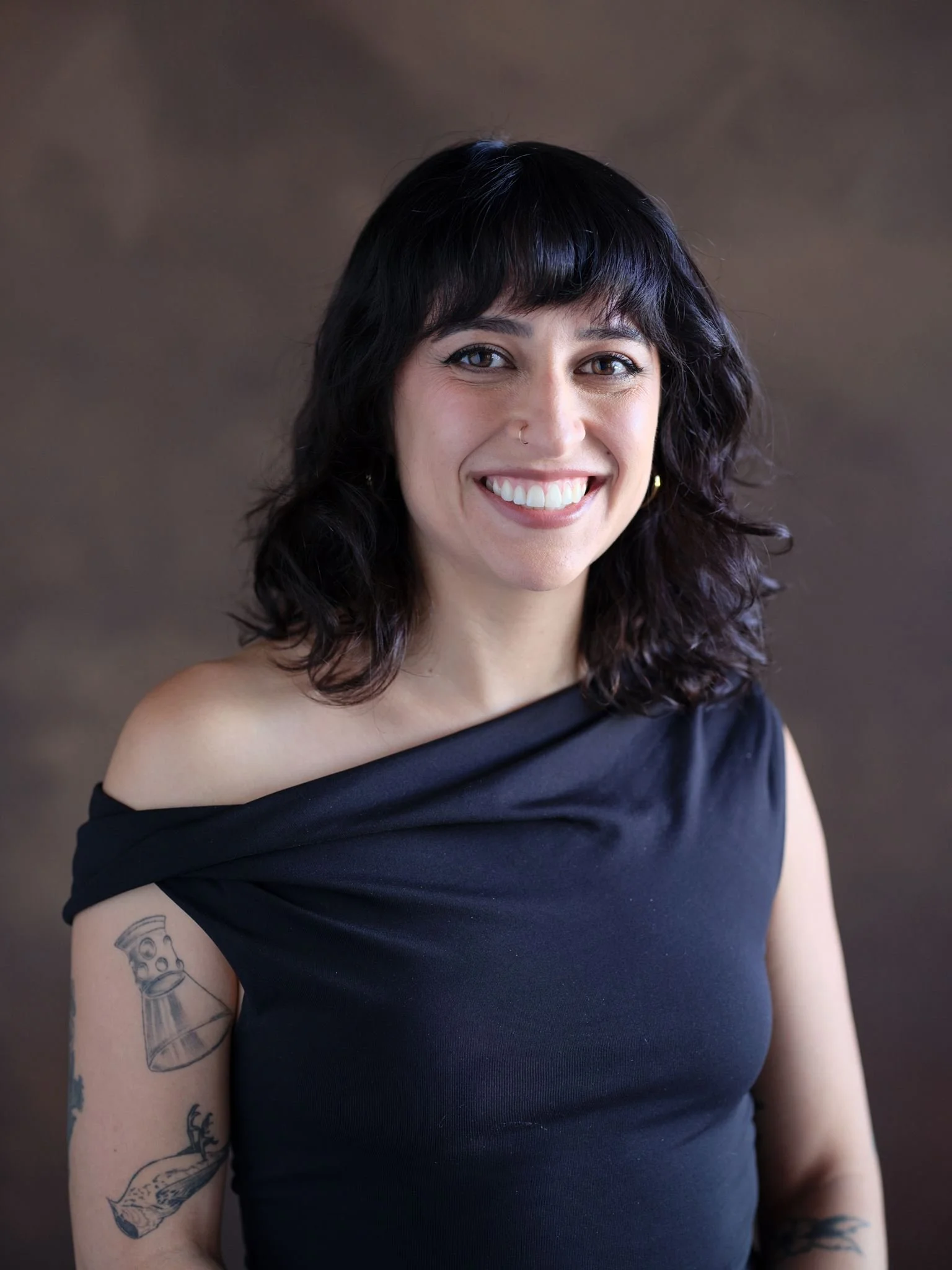
I work with the wound after the wound.
I'm a trauma therapist in Phoenix, Arizona. The people I work with have survived something — sexual violence, an abusive relationship, a harmful childhood, a church that hurt them — and then survived what came after: not being believed, being blamed, watching the people who should have protected them protect themselves instead. That second injury is my specialty, because it's so often the one nobody names.
My clinical work is grounded in EMDR, Emotionally Focused Therapy (EFT/EFIT), and somatic awareness — evidence‑based, relationally attuned, and built for layered wounds. I see clients in person in Phoenix and by telehealth across Arizona.
Why this work
There's a particular disorientation that comes when the harm involves people you trusted. It isn't only that something hurt you — it's that the people and frameworks you relied on to make sense of the world were part of what caused it, or part of what covered it up. Survivors navigating that often arrive having already worked hard to minimize it, explain it away, or find a version of the story where the people involved look less responsible than they were. Part of my job is to stop asking you to do that.
I don't flinch when the harm involves power — the ways authority, loyalty, family reputation, or faith get used to keep harm quiet. And when the betrayal happened inside a faith community, I bring something specific: I understand those systems from the inside — their language, their logic, their genuine gifts, and the exact ways they close ranks. You won't have to explain the world you came from before we can talk about what it did.
The path I walk with clients is the same one I'd want for anyone I love: name what actually happened, grieve what was lost, and repair your relationship with your body, your judgment, and the people and beliefs you choose to keep.
Clinical Training & Credentials
EMDR — Eye Movement Desensitization and Reprocessing
A research-supported trauma therapy that helps the brain process and integrate distressing memories, reducing their ongoing emotional impact.
EFT & EFIT — Emotionally Focused Therapy / Emotionally Focused Individual Therapy
Developed by Dr. Sue Johnson and rooted in attachment science, EFT helps people understand and reshape the emotional patterns and relational cycles that keep them stuck. I am a member of ICEEFT — the International Centre for Excellence in Emotionally Focused Therapy — the global professional home for EFT-trained clinicians.
Religious Trauma Institute — Continuing Education
Specialized clinical training with direct focus on the clinical treatment of religious trauma.
Mending the Soul — Trained Facilitator & Former Director of Communications
is a nonprofit dedicated to healing for survivors of abuse — including sexual, physical, emotional, and spiritual abuse. I am a trained facilitator in their evidence-informed group healing curriculum, and served as Director of Communications from 2021 to 2022, supporting survivor outreach, organizational visibility, and resource development.
How I hold faith in the room
For many of my clients, faith is part of the story, sometimes as a casualty of the harm, sometimes as a resource for healing, often both. Survivors are frequently handed a false choice: a therapist who treats their faith as the problem to get over, or a counselor who treats their trauma as a spiritual failing to pray away. Neither leaves room for the actual person.
I work differently. Spiritually integrated care is available for those who want it and only for those who want it. God can be part of your healing without being prescribed as the cure. Your doubt is welcome, and so is your belief; I don't have a preferred ending for your story. And if faith has nothing to do with your life or your wound, it will never be imposed on your care.
Beyond the therapy room
My clinical work keeps leading me to a larger question: what would it look like if our field had a coherent way to understand and treat religious trauma — one that could shape how therapists are trained, how faith communities understand their own dynamics, and how survivors are seen and believed?
That question drives a parallel line of work alongside my practice.
Church consultation & training: I work with faith organizations and leadership teams that want to become genuinely trauma‑informed, helping them understand how trauma operates in congregational life and how to build cultures of real care rather than managed appearances.
Ready to take a next step?
Whether you're a prospective therapy client or a church leader exploring training, I would love to connect.